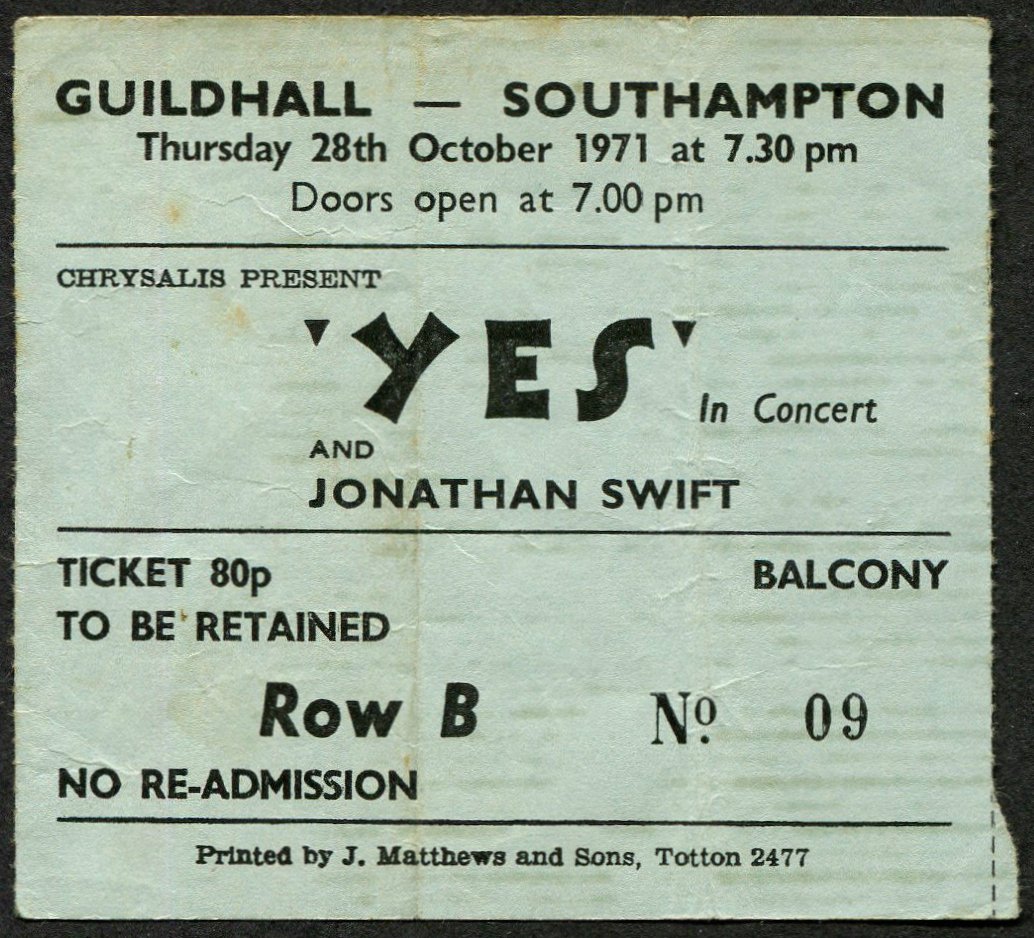
There's a palpable shift happening in the world of collecting. What was once seen as a mere entry pass – a concert stub, a game ticket, a theater program – is now increasingly recognized as a tangible piece of history, an emotional artifact, and a rapidly appreciating asset. We're witnessing a true surge in interest for ticket sales & memorabilia, transforming humble paper into prized possessions.
This isn't just about nostalgia; it’s about scarcity, historical significance, and the deep human desire to connect with moments that shaped our lives, our culture, and our collective memory. Whether you’re a seasoned collector or just starting to appreciate the hidden value in that old stub from a legendary show, understanding this dynamic market is key to both preserving history and making smart investments.
At a Glance: Key Takeaways for Collectors
- Emotional Connection Drives Value: Personal significance and shared cultural moments elevate simple tickets to cherished memorabilia.
- Rarity & Condition are Paramount: Limited runs, unique events, and pristine preservation are crucial for maximizing an item's worth.
- Authenticity is Non-Negotiable: Always verify provenance and consider professional authentication services for high-value items.
- Market Research is Your Best Friend: Understand current trends and comparable sales before buying or selling.
- Proper Storage is Essential: Protect your collection from damage to maintain its condition and long-term value.
- It's More Than Just Tickets: Programs, backstage passes, and event-used items also hold significant appeal.
More Than Just a Stub: The Evolution of Event Artifacts
For decades, concert tickets, sporting event passes, and theater playbills served a singular purpose: granting access. Once the event was over, they were often discarded, tucked away in a drawer, or perhaps kept as a casual memento. Fast forward to today, and these seemingly ordinary pieces of paper have ascended to the status of highly sought-after collectibles, commanding impressive prices and forming the backbone of dedicated collections worldwide.
This shift isn't accidental. It's fueled by a potent blend of factors that speak to our shared human experience. Each ticket represents a unique, unrepeatable moment in time – a cultural touchstone that can never truly be replicated.
The Emotional Resonance of a Physical Ticket
Think about the feeling of holding a physical ticket in your hand. It's more than just paper; it's a tangible link to anticipation, excitement, and memory. That stub from your first big concert, the game where your team won a championship, or a performance that moved you deeply, carries an emotional weight that a digital screenshot simply can't replicate. Collectors aren't just buying paper; they're investing in a piece of their past, or a piece of history they wish they'd witnessed.
Scarcity and Uniqueness: The Collector's Holy Grail
Every event ticket is inherently limited. Once printed and distributed, that specific design for that specific date and venue is finite. This built-in scarcity is a powerful driver of value. When you factor in events that were truly iconic – a legendary concert, a record-breaking athletic achievement, a historically significant political rally – the number of surviving tickets, especially in good condition, dwindles even further. This makes each well-preserved stub a rare artifact, a testament to a unique moment.
Documenting History, One Ticket at a Time
Beyond personal sentiment, tickets and event memorabilia serve as invaluable historical documents. They capture the era's design aesthetics, the names of performers and athletes, venue details, and even ticket pricing, offering a fascinating glimpse into the past. For historians and cultural archivists, these items are primary sources that help paint a richer picture of society's cultural landscape. Collecting them is, in a way, preserving a tangible timeline of human achievement and entertainment.
What Makes a Ticket (or Memorabilia) Truly Valuable?
Not every old ticket stub is destined for auction house glory. The market for ticket sales & memorabilia, like any other collectible market, operates on specific criteria that dictate an item's worth. Understanding these factors is crucial for both astute buyers and informed sellers.
Rarity & Scarcity: The Fewer, The Pricier
This is perhaps the most obvious factor. The fewer copies of an item that exist, the more valuable each individual piece tends to be.
- Limited Events: Tickets from one-off, highly anticipated, or historically significant events naturally command higher prices. Think of a final performance, a championship game, or an inaugural event.
- Low Survival Rate: Many tickets were discarded after use. Those that survive, especially from earlier eras, become rare simply by their existence.
- Specific Editions: Sometimes, different types of tickets (e.g., VIP, backstage, specific seating sections) can be rarer than general admission, adding to their desirability.
Condition is King: Preservation Pays Off
Just like comic books or trading cards, the physical condition of a ticket profoundly impacts its value. A pristine, perfectly preserved ticket will always be worth significantly more than one that's torn, faded, or creased.
- Grading Services: Professional grading companies (like PSA or Beckett) specialize in authenticating and grading tickets, assigning a numerical score (e.g., 1-10) based on factors like corners, edges, surface, and centering. This standardized system provides a common language for condition, building trust between buyers and sellers.
- Environmental Factors: Exposure to sunlight, humidity, drastic temperature changes, and acidic materials are the enemies of paper memorabilia. Proper storage is not just recommended; it's essential for maintaining value.
Historical Context & Provenance: The Story Behind the Item
A ticket isn't just paper; it's a story. The significance of the event it represents, combined with its documented history of ownership (provenance), can dramatically increase its appeal and value.
- Iconic Moments: A ticket to Game 7 of a legendary World Series, a Woodstock pass, or a stub from Elvis's first Vegas residency carries immense historical weight. Consider a ticket from a pivotal moment, such as a pivotal concert during the Hannah Montana Tour, representing a huge cultural phenomenon.
- Well-Documented Provenance: Knowing where a ticket came from, how it was acquired, and its chain of custody adds credibility and often value. Certificates of authenticity from reputable sources or documented transfers of ownership are invaluable.
Signatures & Authenticity: When a Pen Stroke Changes Everything
An autograph from a key performer, athlete, or historical figure on a relevant piece of memorabilia can elevate its value exponentially. However, authenticity here is paramount.
- Verified Signatures: A signature is only as valuable as its authenticity. Professional authentication services are critical for signed items. Look for certifications from reputable third-party authenticators.
- Contextual Signatures: A signature on the item it's related to (e.g., a band member's signature on their concert ticket) is generally more desirable than a standalone autograph.
The "Moment" Factor: Capturing Cultural Milestones
Some events transcend their time, becoming touchstones in cultural history. Tickets to these events are highly coveted, almost irrespective of specific performers. Think of Olympic opening ceremonies, major political inaugurations, or the debut of groundbreaking technologies or films. These tickets represent participation in a moment that resonated globally or nationally, drawing in a broader base of collectors beyond just fans of a particular artist or team.
Navigating the Market: Buying & Selling Safely
The vibrant market for ticket sales & memorabilia offers exciting opportunities, but it also presents challenges. Smart collectors understand where to look, how to vet items, and how to price their own treasures.
Where to Find Your Treasures
The digital age has expanded the reach of collectors dramatically, making rare items accessible globally.
- Online Marketplaces: Platforms like eBay, Etsy, and specialized memorabilia sites (e.g., SportsMemorabilia.com, though always check individual seller reputations) are prime hunting grounds. Be diligent with seller ratings, item descriptions, and return policies.
- Auction Houses: For high-value, authenticated items, major auction houses (both online and traditional) are excellent sources. They often provide expert authentication and detailed provenance.
- Specialized Dealers: Many dealers specialize in specific genres (e.g., rock concert tickets, vintage sports passes). They often have extensive knowledge and curated inventories, though prices might be higher due to their expertise and overhead.
- Collector Shows & Conventions: These events offer a chance to see items in person, network with other collectors, and often discover hidden gems from private sellers.
- Estate Sales & Flea Markets: While requiring more luck and knowledge, these can occasionally yield incredible finds at bargain prices.
Due Diligence: Verifying Authenticity
In a market where a single piece of paper can be worth thousands, counterfeiting is a real concern. Trust your instincts, but always back them up with research.
- Reputable Sellers: Always buy from sellers with strong track records, positive reviews, and clear return policies.
- Third-Party Authentication (TPA): For any significant purchase, especially signed items or high-value tickets, insist on third-party authentication from recognized grading and authentication services (e.g., PSA, Beckett, JSA). Their expertise can save you from costly mistakes.
- Examine Details: Familiarize yourself with common ticket printing techniques of different eras. Look for anomalies in font, paper stock, ink, and perforations. Compare the item to known authentic examples.
Pricing Your Prized Possessions: Research is Power
Whether you're looking to buy or sell, understanding fair market value is crucial.
- Review Comparable Sales: Look at "sold listings" on auction sites and dealer inventories for identical or highly similar items. This is the most reliable way to gauge current market value.
- Consult Price Guides (with caution): While useful for general trends, published price guides can sometimes be outdated. Always cross-reference with recent sales data.
- Professional Appraisals: For truly rare or significant collections, consider investing in a professional appraisal from an expert in the field. They can provide an accurate valuation for insurance or sale purposes.
- Market Trends: Be aware of broader trends. Is interest in a particular artist or era surging? Has a recent anniversary or event brought renewed attention to a specific type of memorabilia?
Avoiding Common Pitfalls
The market has its share of traps for the unwary.
- Fakes and Reproductions: Be wary of deals that seem too good to be true. Many fakes are highly sophisticated. Always assume "guilty until proven innocent" when it comes to authenticity.
- Overpaying: Without proper research, it's easy to get caught up in the excitement and pay more than an item is worth. Set a budget and stick to it.
- Poor Storage Practices: As mentioned, improper storage can quickly devalue your items. Don't let your investment deteriorate in a shoebox in the attic.
- Emotional Purchases Without Research: While passion drives collecting, letting emotion override critical assessment can lead to regrets. Always combine passion with prudent market research.
Preserving Your Collection for Posterity
Once you've acquired your treasured ticket sales & memorabilia, the job isn't over. Proper preservation is paramount to maintaining an item's condition, value, and historical integrity for years to come. Think of yourself as a custodian of history.
Best Practices for Storage: Your Collection's Sanctuary
The environment in which you store your collectibles is perhaps the most critical factor in their long-term survival.
- UV Protection: Sunlight and even indirect indoor lighting can cause colors to fade and paper to become brittle. Store items in dark, cool, dry places, or use UV-protected display cases and sleeves.
- Acid-Free Materials: Ordinary paper, cardboard, and plastics often contain acids that can degrade your items over time, causing discoloration and brittleness. Always use archival-safe, acid-free sleeves, top-loaders, folders, and storage boxes. Mylar sleeves are generally considered the gold standard for tickets.
- Temperature and Humidity Control: Extreme fluctuations in temperature and humidity can lead to warping, mold growth, and paper deterioration. Aim for a stable environment, ideally between 60-75°F (15-24°C) with 35-50% relative humidity. Avoid attics, basements, and garages.
- Avoid Adhesives: Never use tape, glue, or self-adhesive photo albums. These materials are highly acidic and will cause irreversible damage.
Displaying with Pride: Showcase, Don't Sacrifice
You want to enjoy your collection, but displaying it requires careful consideration to avoid damage.
- Archival Frames: If framing, ensure the frame uses UV-protective, acid-free glazing (Plexiglas or glass) and acid-free matting and backing. The item should not be in direct contact with the glass.
- Display Cases: For more three-dimensional memorabilia, use display cases made with UV-filtering acrylic or glass. Ensure good airflow and stable conditions.
- Rotation: For highly sensitive items, consider rotating what you display, keeping some in dark storage while others are temporarily exhibited.
Insurance & Documentation: Protecting Your Investment
For significant collections, insurance isn't a luxury; it's a necessity.
- Appraisal and Inventory: Get your collection professionally appraised and maintain a detailed inventory with photos, purchase dates, prices paid, and any authentication certificates. This documentation is vital for insurance claims and for estate planning.
- Specialized Coverage: Your standard homeowner's insurance policy may not cover the full value of a specialized collection. Look into separate riders or dedicated collectibles insurance policies.
Beyond the Ticket: Expanding Your Memorabilia Horizons
While concert and sports tickets form the core of many collections, the world of event memorabilia is much broader, offering exciting avenues for specialization and discovery.
Programs & Playbills: The Overlooked Gems
Often printed in larger quantities than tickets, programs and playbills provide rich context to an event. They contain cast lists, setlists, advertisements from the era, detailed notes, and sometimes even autographs. A program from a historic Broadway debut or a championship game can be just as, if not more, informative and valuable than the ticket itself. Their larger size, however, makes them more susceptible to damage and harder to store perfectly.
Backstage Passes & Credentials: Exclusive Access, Unique Appeal
These items offer a tantalizing glimpse into the exclusive world behind the scenes. Laminates, wristbands, and stick-on passes used by performers, crew, or VIPs are inherently rare and carry an aura of exclusivity. Their unique designs and often limited distribution make them highly desirable, especially if they are event-specific and well-preserved.
Event-Used Items: When the Action Touches the Artifact
This category extends beyond paper to physical objects that were directly part of an event. While often more expensive and requiring rigorous authentication, these items offer the deepest connection to a moment.
- Setlists: Hand-written or printed setlists used by a band during a performance.
- Game-Used Equipment: A baseball bat, a piece of a hockey stick, a torn football jersey.
- Props & Costumes: Items used in theatrical productions, films, or concerts.
- Stage-Worn Apparel: Clothing worn by artists during performances.
The key here is irrefutable provenance. Without ironclad documentation linking the item to the event and the individual, its value can plummet due to authenticity concerns.
The Digital Frontier: NFTs and the Future of Collectibles?
As physical tickets increasingly give way to digital versions (e-tickets, mobile entry), a new conversation is emerging about the future of event memorabilia. Non-fungible tokens (NFTs) have entered the scene, offering a digital parallel to physical collectibles.
NFTs of event tickets or digital art commemorating specific moments are gaining traction. They offer verifiable ownership on a blockchain, addressing some of the authenticity challenges of physical items. However, the emotional connection, the tangible feel, and the historical patina of a physical ticket are aspects that digital collectibles struggle to replicate for many traditional collectors. The market is still nascent, but it's an evolving space worth watching, potentially creating new forms of "ticket sales & memorabilia" for future generations.
Smart Collecting Strategies: Building a Meaningful Portfolio
Approaching ticket and memorabilia collecting with a strategy can enhance both your enjoyment and the potential financial returns. It’s about being deliberate, not just opportunistic.
Specializing vs. General Collecting
- Specialization: Focusing on a niche (e.g., tickets from a specific band, a particular sports team, Broadway opening night programs, or a defined historical period) allows you to develop deep expertise, network with like-minded individuals, and potentially become a recognized authority. This focus can also make it easier to identify undervalued items and build a truly comprehensive collection.
- General Collecting: Broadening your scope can be fun and lead to unexpected discoveries, but it requires a wider base of knowledge and can make it harder to build significant value in any single area. Many collectors start broad and then naturally gravitate towards a specialization as their interests solidify.
Budgeting for Your Passion
Collecting can be an expensive hobby, but it doesn't have to be. Set a clear budget for purchases, authentication, and preservation materials. Stick to it. Remember that value isn't just monetary; the joy an item brings can be priceless. Prioritize quality over quantity, especially when starting out. A few well-chosen, historically significant, and well-preserved items will likely hold more value and appeal than a large quantity of common, damaged stubs.
Networking with Fellow Enthusiasts
The collecting community is vibrant and often incredibly generous with knowledge. Join online forums, attend conventions, participate in social media groups, and connect with dealers. These connections can provide invaluable insights into market trends, authentication tips, and access to rare items before they hit the broader market. Sharing your passion with others is also a significant part of the collecting experience.
Common Questions Collectors Ask
Let's tackle some frequently asked questions about ticket sales & memorabilia.
"Is my digital ticket worth anything as a collectible?"
Generally, no, at least not in the traditional sense of physical memorabilia. A digital ticket is essentially a data entry or an image file. While an NFT of a digital ticket could be a collectible, the digital version itself typically lacks the scarcity, tangibility, and historical "artifact" quality that drives value in physical ticket collecting. The emotional connection many collectors seek often stems from holding a physical object.
"How do I get my ticket graded?"
You can submit your tickets to professional grading services like PSA (Professional Sports Authenticator) or Beckett Grading Services (BGS). You'll typically fill out a submission form online, securely package your items, and ship them to the grading company. They will authenticate the item, assess its condition against a standardized scale (usually 1-10), encapsulate it in a tamper-evident holder, and return it to you. This process adds significant credibility and often value.
"What's the riskiest part of collecting ticket memorabilia?"
The biggest risk is authenticity. The market is unfortunately rife with counterfeits, altered items, and misrepresentations. Buying from unreputable sources or failing to properly authenticate high-value items can lead to significant financial losses. Always prioritize verifying an item's legitimacy through reputable sellers, third-party authentication, and thorough personal research.
"Are concert programs and playbills really collectible?"
Absolutely! While often overlooked in favor of tickets, programs and playbills provide incredible context and often beautiful artwork. They can be very valuable, especially for significant historical events, first performances, or if they are signed. Their larger size means fewer may have survived in pristine condition, adding to their rarity.
Embark on Your Collecting Journey
The world of ticket sales & memorabilia is far richer and more dynamic than a glance might suggest. It’s a fascinating intersection of history, culture, personal passion, and savvy investment. From the thrill of finding a rare stub to the satisfaction of preserving a piece of the past, this niche offers a deeply rewarding experience.
Whether you're drawn to the roar of the crowd, the magic of the stage, or the quiet reverence for historical moments, there's a place for you in this vibrant community. Arm yourself with knowledge, practice diligent research, and commit to proper preservation, and you'll not only build a valuable collection but also become a vital part of safeguarding cultural history, one tangible memory at a time. The next cherished artifact could be waiting just around the corner, ready for you to discover its story.